


كان الشيك المرتجع في الإمارات يعني السجن. ولأكثر من عقدين، كان شيك واحد بدون رصيد كافياً لفتح بلاغ جزائي ومنع سفر وحكم بالحبس، حتى في دين تجاري عادي. في 2 يناير 2022 تغير هذا النظام. أصبحت غالبية الشيكات المرتجعة قضية مدنية لا جنائية، وتحول الشيك نفسه إلى أداة تنفيذية مباشرة. البنك والمحكمة والسجل الائتماني كلهم يتصرفون بطريقة مختلفة عما كانت عليه. هذا الدليل يشرح ما الذي تغير فعلاً، وماذا تفعل سواء كان الشيك منك أو إليك.
ملخص سريع
- المرسوم بقانون اتحادي رقم 14 لسنة 2020 عدّل قانون المعاملات التجارية ودخل حيز التنفيذ في 2 يناير 2022، وأنهى التجريم التلقائي لشيك بدون رصيد.
- الشيك أصبح سنداً تنفيذياً، يستطيع حامله التوجه مباشرة إلى محكمة التنفيذ دون رفع دعوى موضوعية.
- البنك المسحوب عليه ملزم بسداد قيمة الشيك جزئياً بقدر الرصيد المتاح ثم إعادته، والسداد الجزئي قابل للتنفيذ.
- المسؤولية الجنائية بقيت في حالات ضيقة فقط، مثل الاحتيال، الحساب المغلق، التلاعب بالتوقيع، أو إصدار أمر بوقف الصرف دون سبب قانوني.
- التقارير الائتمانية لدى الاتحاد للمعلومات الائتمانية وسجلات المصرف المركزي لا تزال نافذة. السجل الجنائي النظيف لا يعني سجلاً ائتمانياً نظيفاً.
مشكلة شيك؟ لا تترك الوقت يأكل قضيتك.
سواء كنت تحمل شيكاً مرتجعاً أو ارتد شيكك، خطوتك التالية حساسة للوقت. محامون في البنوك والتمويل بالإمارات يردون مباشرة عبر ملفاتهم على LEXAI. دون تسجيل، دون وسيط بينك وبين المحامي.
ابحث عن محامي بنوك وتمويل في الإماراتاحصل على إجابات مباشرة
شيك مرتجع، لك أو منك؟ تصفح محامين في القانون المصرفي والتمويل بالإمارات أو اسأل المساعد القانوني الذكي المجاني دون تسجيل أو رسوم.
جدول المحتويات
- ما هو الشيك المرتجع في القانون الإماراتي؟
- لماذا يُهم إصلاح 2022؟
- مسار التنفيذ المدني الجديد خطوة بخطوة
- الأخطاء الشائعة
- متى تبقى المسؤولية الجنائية قائمة؟
- الاتحاد للمعلومات الائتمانية والمصرف المركزي وحياتك الائتمانية
- متى تستعين بمحامٍ؟
- التكاليف والمدة الزمنية المتوقعة
- الأسئلة الشائعة
- قراءات ذات صلة
1. ما هو الشيك المرتجع في القانون الإماراتي؟
الشيك المرتجع، أو ما يُسمى الشيك بدون رصيد، هو شيك يرفض البنك المسحوب عليه صرفه لعدم كفاية الرصيد، أو لإغلاق الحساب، أو لعدم مطابقة التوقيع، أو لأمر بوقف الصرف. يتعامل المرسوم بقانون اتحادي رقم (50) لسنة 2022 بإصدار قانون المعاملات التجارية مع الشيك بوصفه أداة سداد فورية واجبة الأداء عند الاطلاع، دون فترة سماح أو موعد استحقاق مؤجل.
2. لماذا يُهم إصلاح قانون الشيكات في الإمارات
طوال سنوات كان الشيك المرتجع في الإمارات يضعك مباشرة في المسار الجنائي. حامل الشيك يفتح بلاغاً، الساحب يُستدعى، يصدر منع السفر خلال أيام، وحتى الديون التجارية الصغيرة كانت تنتهي بأحكام حبس قصيرة. هذا النظام ردع الاحتيال لكنه أرهق المحاكم بنزاعات ديون مدنية بحتة بين أطراف قادرة على الدفع.
عدّل المرسوم بقانون اتحادي رقم 14 لسنة 2020 قانون المعاملات التجارية، ودخل حيز التنفيذ في 2 يناير 2022، وأعاد تشكيل المنظومة. المواد 599 وما يليها — المُجمَّعة الآن تحت قانون المعاملات التجارية لعام 2022 — أنهت التجريم التلقائي لمجرد عدم كفاية الرصيد. أصبح الشيك اليوم سنداً تنفيذياً: مستنداً يقدمه الحامل مباشرة إلى محكمة التنفيذ دون الحاجة إلى إثبات الدين أولاً في محاكمة موضوعية. كما يُلزم الإصلاح البنك بصرف الرصيد المتاح يوم التقديم حتى لو لم يغطِّ القيمة الكاملة.
أثر هذا التحول على ثلاث فئات. حامل الشيك يحصل على تنفيذ أسرع وأقل تكلفة وعلى سداد جزئي قابل للتنفيذ. ساحب الشيك لم يعد يواجه السجن لمجرد التأخر في التزام تجاري. البنوك أصبحت ملزمة بتشغيل آليات السداد الجزئي وإصدار الشهادات والإبلاغ المصرفي المركزي. الباب الجنائي يبقى مفتوحاً لكن لسوء النية الحقيقي فقط، وهو ما نتناوله في القسم 5.
هذه ليست مسألة نظرية. تنظر المحاكم الإماراتية عشرات الآلاف من قضايا الشيكات سنوياً، وقراءة المسار الخطأ يكلفك أسابيع في التنفيذ من جهة، أو قلقاً غير ضروري بشأن الاعتقال من جهة أخرى.
3. مسار التنفيذ المدني الجديد خطوة بخطوة
إذا كنت تحمل شيكاً مرتجعاً، فالعملية الآن آلية. لا تحتاج إلى حكم مسبق. الشيك نفسه وشهادة الارتداد من البنك يكفيان لفتح ملف التنفيذ.
الخطوة 1 — تقديم الشيك للبنك المسحوب عليه (اليوم صفر). ادخل به إلى الفرع الموضح على الشيك، أو أودعه عبر بنكك. إذا كان الرصيد غير كافٍ، يلتزم البنك المسحوب عليه بصرف الرصيد المتاح. تستلم المبلغ الجزئي مع شهادة ارتداد تذكر القيمة غير المسددة، ويُؤشَّر الشيك بذلك.
الخطوة 2 — الحصول على شهادة الارتداد (اليوم 0–3). هذه الوثيقة هي التي تتيح لك تخطي الدعوى الموضوعية. احتفظ بالشيك الأصلي والشهادة وأي إيصال سداد جزئي معاً، واحصل على نسخ مصدقة قبل تقديم أي شيء للمحكمة.
الخطوة 3 — فتح ملف التنفيذ (اليوم 3–14). قدّم الشيك وشهادة الارتداد وهويتك إلى قاضي التنفيذ في المحكمة المختصة: محاكم دبي، أو دائرة القضاء بأبوظبي، أو محاكم الإمارة المعنية. يُفتح ملف التنفيذ ضد الساحب بالقيمة غير المسددة مع الفائدة القانونية والمصاريف المعقولة.
الخطوة 4 — إخطار المحكمة (اليوم 14–30). يُخطر قاضي التنفيذ الساحب، الذي يكون لديه نافذة قصيرة قانونياً للسداد طوعاً أو لتقديم طلب وقف. إذا تجاهل الإخطار، تبدأ إجراءات التنفيذ تلقائياً.
الخطوة 5 — التنفيذ (من اليوم 30 فصاعداً). يمكن لمحكمة التنفيذ حجز الحسابات البنكية، وحجز الراتب ومستحقات نهاية الخدمة، وفرض منع سفر عبر الإدارة العامة للإقامة، وحجز المنقولات، وأمر ببيع العقارات المسجلة. لا يحتاج حامل الشيك في الغالب إلى أي إجراء إضافي في هذه المرحلة.
الخطوة 6 — الاسترداد الجزئي والتنفيذ المتدرج. إذا أسفر الحجز الأول عن جزء من الدين، يبقى الملف مفتوحاً حتى يُسترد المبلغ كاملاً أو يتم التسوية. على الحامل متابعة الملف وتحديث المستندات كلما تغير وضع الساحب المالي.
المسار المدني عموماً أسرع من المسار الجنائي القديم لأنه لا توجد مرحلة تحقيق ولا دعوى موضوعية منفصلة لإثبات الدين. الشيك هو الإثبات.
ابحث عن المحامي المناسب
تواصل مع محامين في القانون المصرفي والتمويل بالإمارات قبل الإيداع — ضبط أوراق التنفيذ من المرة الأولى يوفر أسابيع.
4. الأخطاء الشائعة
إصلاح 2022 يبدو بسيطاً على الورق، لكن في التطبيق تتكرر الأخطاء نفسها. أغلب المطالبات الضائعة أو المتأخرة تعود إلى أحد هذه الأخطاء.
الخطأ 1 — افتراض إغلاق الباب الجنائي للجميع
إنهاء التجريم هو القاعدة العامة لا قاعدة شاملة. إذا انطوى التصرف على احتيال — حساب مغلق، أمر بوقف الصرف دون سبب قانوني، أو توقيع مزور — فإن المسار الجنائي يبقى قائماً (انظر القسم 5). الساحب الذي يفترض أن كل شيء أصبح مدنياً قد يفاجأ ببلاغ جزائي لم يتوقعه.
الخطأ 2 — إهمال إيصال السداد الجزئي
عندما يصرف البنك المسحوب عليه الرصيد المتاح، اطلب وثيقة مكتوبة تثبت المبلغ المسدد والمبلغ المتبقي. بدونها قد يجادل الساحب لاحقاً في المبلغ المستحق، وتتوقف المحكمة لتوضيحه. عادة يُصدر البنك هذا الإيصال تلقائياً، لكن تحقق قبل مغادرة الفرع.
الخطأ 3 — ترك الشيك يتقادم
مدة تقادم الشيك في القانون الإماراتي قصيرة. الانتظار "لمحاولة التسوية وديّاً" يأكل من نافذة التنفيذ. افتح ملف التنفيذ أولاً، ثم تفاوض من موقع قوة.
الخطأ 4 — الإيداع في الإمارة الخطأ
اختصاص محكمة التنفيذ مكاني. قضايا دبي تذهب إلى تنفيذ محاكم دبي، وقضايا أبوظبي إلى تنفيذ دائرة القضاء بأبوظبي. مركز دبي المالي العالمي وسوق أبوظبي العالمي لديهما أنظمة تنفيذ مستقلة بنظام القانون العام، ولا يختصان بالشيكات إلا حين يكون الطرفان قد اتفقا تعاقدياً على ذلك.
الخطأ 5 — نسيان السجل الائتماني
الشيك المرتجع يلاحق الساحب في سجله لدى الاتحاد للمعلومات الائتمانية. حتى لو سحب الحامل ملف التنفيذ بعد السداد الكامل، يبقى القيد في السجل خلال مدة الاحتفاظ التنظيمية. على الساحب الذي يبحث عن "سجل نظيف" بعد التسوية أن يطلب تحديث الحالة من البنك ويتحقق من تحديث القيد لدى الاتحاد.
الخطأ 6 — الخلط بين الشيك المؤجل وشيك الضمان
يعامل القانون الإماراتي الشيك المؤجل وشيك الضمان كأداة سداد حية في تاريخ تحريرها، لا في "التاريخ المتفق عليه شفهياً". شيك الضمان المُقدَّم قبل الموعد المتفق عليه قد يرتد ويُفتح به ملف تنفيذ. على الساحب توثيق ترتيبات الضمان في العقد الأصلي، لا في اتفاق جانبي.
5. متى تبقى المسؤولية الجنائية قائمة في 2026
إصلاح 2022 لم يلغِ المسؤولية الجنائية عن الشيكات، بل ضيّقها. القضايا الجنائية المتعلقة بالشيكات تسير الآن إلى جانب التنفيذ المدني في حالات سوء نية محددة. يحتفظ قانون المعاملات التجارية والأحكام الجزائية ذات الصلة بالسجن خياراً حين يكون الساحب:
- قد أصدر شيكاً عن علم على حساب مغلق
- قد أمر البنك المسحوب عليه بوقف الصرف دون سبب قانوني مشروع
- قد زوّر الشيك أو التوقيع أو تلاعب بهما
- قد سحب من حساب يعلم أنه لا يملك صلاحية التوقيع عليه
- قد سلّم شيكاً يعلم أن البنك سيرفضه، أي استخدمه أداة للتضليل لا للسداد
مجرد ارتداد الشيك لعدم كفاية الرصيد على حساب نشط، دون قصد احتيالي، لا يفتح الباب الجنائي وحده. لكن الخط الفاصل بين "نفد المال" و"كان يعلم أنه سيرتد" مسألة إثبات، والنيابة تحقق فيها. الساحب الذي يشك في أن الحامل يجهز بلاغاً جزائياً — لا مجرد تنفيذ مدني — يحتاج إلى محامي دفاع مبكراً، قبل أي إفادة طوعية.
اسأل المساعد القانوني الذكي المجاني هل وقائعك تتجاوز الخط الجنائي، ثم تواصل مع محامٍ إذا أشارت الإجابة إلى مخاطر.
6. الاتحاد للمعلومات الائتمانية والمصرف المركزي وحياتك الائتمانية
الشيك المرتجع ينجو من إصلاح التجريم في سجلك الائتماني. يبلغ البنك المسحوب عليه عن الشيك المرتجع لسجل المصرف المركزي للشيكات المرتجعة، ويعكس الاتحاد للمعلومات الائتمانية ذلك في تقرير الساحب. كلا السجلين يؤثر على طلبات القروض والبطاقات الائتمانية وعقود الاتصالات الآجلة وحتى موافقات الإيجار.
ثلاث آثار عملية يجب توقعها:
- البنوك ترى الشيك المرتجع فوراً تقريباً. قد يتم إيقاف أو رفض طلب رهن عقاري قائم أو تمديد قرض الراتب.
- الملاك أصبحوا يجرون فحوصات الاتحاد للمعلومات الائتمانية، وقد يُكلِّفك الارتداد تجديد الإيجار حتى بعد سداد الحامل بالكامل.
- الاحتفاظ بالسجل لا تمحوه التسوية. التسوية تُحدّث حالة الالتزام (مسدد/غير مسدد) لكن الواقعة التاريخية تبقى خلال نافذة الاحتفاظ التنظيمية.
إن كنت الساحب وكان الارتداد خطأ كتابياً أو خطأ توقيت — كانت الأموال في حساب آخر، أو قُدّم الشيك قبل موعده بيوم — عالج الأمر بسرعة. ادفع للحامل، احصل على تسوية مكتوبة، اطلب من البنك تحديث الحالة، وقدّم اعتراضاً عبر القناة المنظمة لدى الاتحاد. كلما تم التصحيح أبكر قلّ الأثر على درجتك الائتمانية.
7. متى تستعين بمحامٍ؟
ملف تنفيذ الشيكات كثيف الأوراق وحساس للوقت. استعن بمحامٍ إماراتي متخصص في البنوك والتمويل حين تكون قيمة الشيك تبرر التعامل الاحترافي، أو حين يكون الطرف الآخر قد استعان بمحامٍ، أو حين يُرجَّح نقل الأصول قبل الحجز، أو حين تكون هناك مخاطر جنائية. يستطيع المحامي فتح ملف التنفيذ في اليوم نفسه، وطلب أوامر حجز عاجلة، وفرض منع سفر حين يجيز القانون، وصياغة شروط تسوية تغلق الدين المدني وأثر السجل الائتماني معاً.
ابحث عن محامين في القانون المصرفي والتمويل في دبي وأبوظبي والشارقة. كل ملف يعرض التخصصات واللغات وبيانات التواصل المباشر، لتصل إلى المحامي مباشرة دون وسيط.
8. التكاليف والمدة الزمنية المتوقعة
ضع توقعات واقعية قبل البدء. ملفات التنفيذ أسرع من الدعاوى الموضوعية، لكنها تبقى متعددة المراحل.
- [رسوم المحكمة](/tools/court-fee-calculator) نسبة من قيمة المطالبة بسقف وفقاً لجدول الرسوم في كل إمارة. تحقق من النسبة الدقيقة وقت الإيداع — جداول الرسوم تُحدَّث دورياً (بتاريخ 2026-05-17 تنشر محاكم دبي ودائرة القضاء بأبوظبي جداولها على مواقعها).
- أتعاب المحامي يحددها المحامي ويُتفق عليها في خطاب تكليف مكتوب. لا تُحصَّل من خلال LEXAI — كل محامٍ ينشر رسوم استشارته على ملفه ويتقاضاها مباشرة.
- المدة لملف تنفيذ غير متنازع عليه: 30–90 يوماً من الإيداع إلى أول حجز في معظم الإمارات. الملفات المتنازع عليها أو تتبع الأصول أو الساحب خارج الدولة تمدد المدة. التحقيقات الجنائية تسير بإيقاعها الخاص وقد توقف التنفيذ المدني عند تداخل الموضوع.
تجنّب أي محامٍ يضمن لك مدة محددة أو نسبة استرداد مضمونة. لا يوجد ضمان كهذا في القانون الإماراتي.
9. الأسئلة الشائعة
هل لا أزال أُسجن بسبب شيك بدون رصيد في الإمارات في 2026؟
لا، ليس بسبب ارتداد بسيط لعدم كفاية الرصيد على حساب نشط. تبقى المسؤولية الجنائية قائمة في حالات الاحتيال: حساب مغلق، أمر بوقف الصرف دون سبب قانوني، توقيع مزور، أو خداع. الإصلاح ضيّق المسؤولية الجنائية ولم يحذفها.
ما هي قاعدة "السداد الجزئي"؟
يلتزم البنك المسحوب عليه بصرف الرصيد المتاح وقت تقديم الشيك بحد قيمة الشيك، ويتلقى الحامل المبلغ الجزئي مع شهادة ارتداد بالمبلغ المتبقي قابلة للتنفيذ مدنياً.
هل أحتاج إلى حكم قبل تنفيذ شيك مرتجع؟
لا. منذ 2 يناير 2022 أصبح الشيك سنداً تنفيذياً. مع شهادة ارتداد البنك، تتوجه مباشرة إلى محكمة التنفيذ دون رفع دعوى موضوعية مستقلة على الدين.
هل سيظهر الشيك المرتجع في تقريري الائتماني؟
نعم. يبلغ البنك المسحوب عليه عن الارتداد لسجل المصرف المركزي، ويعكسه الاتحاد للمعلومات الائتمانية في تقريرك. التسوية تُحدّث الحالة لكنها لا تمحو الواقعة خلال مدة الاحتفاظ التنظيمية.
ماذا لو كان الشيك "شيك ضمان" اتفقنا على عدم تقديمه؟
يعامل القانون الإماراتي كل شيك على أنه أداة سداد حية في التاريخ المُحرَّر. الاتفاقات الجانبية بعدم التقديم لا يُحتج بها عادة على حامل حسن النية. ترتيبات الضمان يجب أن تكون في العقد الأصلي، وحتى حينها فإن تقديم الشيك خارج الشروط المتفق عليها نزاع مدني، وليس دفاعاً تلقائياً.
ما المدة المتاحة لي لتنفيذ شيك مرتجع؟
قانون المعاملات التجارية يضع مدة تقادم قصيرة لمطالبات الشيكات. لا تؤجل. افتح ملف التنفيذ بمجرد حصولك على شهادة الارتداد، وفاوض بالتوازي إن أردت.
هل يمكن لمحكمة DIFC أو ADGM تنفيذ شيك إماراتي محلي؟
لمحاكم DIFC وADGM أنظمة تنفيذ خاصة بها بنظام القانون العام، ولا تختص بقضايا الشيكات إلا عند اتفاق الطرفين تعاقدياً على ذلك. للشيك الإماراتي العادي بدون شرط DIFC/ADGM، محكمة التنفيذ المدني في الإمارة المختصة هي الجهة الأصلية.
10. قراءات ذات صلة
- اطلع على النص الكامل لـالمرسوم بقانون اتحادي رقم (50) لسنة 2022 بإصدار قانون المعاملات التجارية.
- تتفاوض مع جهة تمويل على تسوية؟ تصفح محامين متخصصين في البنوك والتمويل في دبي والإمارات.
- تريد قراءة سريعة لوقائعك قبل دفع رسوم استشارة؟ استخدم المساعد القانوني الذكي المجاني.
إخلاء مسؤولية. هذا المقال إعلامي فقط وليس بديلاً عن استشارة قانونية من محامٍ مؤهل في الإمارات العربية المتحدة. تتغير القوانين واللوائح، ويعكس هذا المحتوى القانون الإماراتي حتى تاريخ 2026-05-17. استشر محامياً مرخصاً قبل اتخاذ أي إجراء. تربطك LEXAI بمحترفين قانونيين من خلال دليلنا.
آخر تحديث 2 أكتوبر 2026
الأسئلة الشائعة
اسأل محامياً في الإمارات
السؤال مجاني، ولا تحتاج إلى حساب.
تحدّث إلى محامٍ متخصّص في البنوك / التمويل
تصفّح محامين في الإمارات جاهزين لمساعدتك في قضيتك.

Corporate Commercial, Criminal Law +8
I am a lawyer and legal consultant practicing in the United Arab Emirates with Dr. Ahmed Al Maamari Advocates & Legal Consultants, providing professional legal services and advice to both individuals and businesses, with a strong focus on protecting clients’ rights and delivering practical and effective legal solutions. My practice focuses on corporate and commercial disputes, cheque-related cases, debt recovery and financial claims, civil litigation, fraud and financial crime cases, as well as the drafting and review of contracts, agreements, legal memoranda, and other legal documents. I approach every matter with careful attention to its facts, documents, and available evidence in order to develop an appropriate legal strategy tailored to the client’s interests. I am committed to professionalism, confidentiality, accuracy, and diligent representation throughout every stage of the legal process.
تواصل لمعرفة الأتعاب

Family Law, Criminal Law +8
(Al-Hesn Legal Consulting) office is considered one of the offices specialized in providing comprehensive legal services to individuals and companies, as we are keen to provide precise and effective legal solutions that comply with the laws and regulations applicable within the United Arab Emirates. We also have a team of legal advisors with high expertise and efficiency, and legal knowledge acquired through years of experience in all branches of law, including civil, commercial, criminal, labor law, and personal status, which enables us to provide reliable consultations that meet our clients’ needs with high efficiency. We also have a team of legal advisors with high expertise and efficiency, and legal knowledge acquired through years of experience in all branches of law, including civil, commercial, criminal, labor law, and personal status, which enables us to provide reliable consultations that meet our clients’ needs with high efficiency.
250 درهم / لكل استشارة

Construction, Real Estate Property +8
With over 12 years of experience in banking, corporate, commercial, regulatory, and dispute resolution matters across the UAE and the Middle East, I help businesses, investors, entrepreneurs, and individuals navigate complex legal challenges with practical, commercially focused solutions. My experience includes leading legal and regulatory work for major financial institutions and international organizations, including Zand Bank, Dubai Financial Market (DFM & Nasdaq Dubai), Deloitte Middle East, Grant Thornton, and Damas Group. I have advised on high-value commercial transactions, banking and finance, corporate governance, mergers and acquisitions, regulatory compliance, intellectual property, employment, construction, real estate, and complex cross-border disputes. I believe that every client deserves clear legal advice, honest guidance, and practical solutions—not unnecessary complexity. My approach is built on understanding each client’s objectives, protecting their interests, minimizing legal risk, and achieving the best possible outcome in a cost-effective and efficient manner. Whether you require legal advice, contract drafting and negotiation, dispute resolution, or strategic legal support, my commitment is simple: to provide trusted legal guidance with integrity, professionalism, and a genuine commitment to helping you succeed.
تواصل لمعرفة الأتعاب
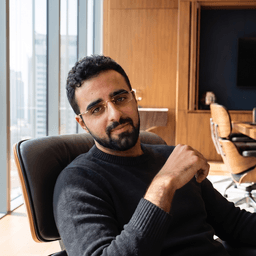
مؤسس LEXAI
ميلاد مولوي هو مؤسس LEXAI، وهو دليل للمهنيين القانونيين في دولة الإمارات متاح بالعربية والإنجليزية. درس الأعمال الدولية في جامعة سالفورد. نشأت فكرة LEXAI من تجربته الشخصية في البحث عن مساعدة قانونية عام 2022. كان البحث عن «محامين بالقرب مني» يعرض له قوائم بأسماء محامين، لكنه واجه صعوبة في العثور على مؤهلات يمكن التحقق منها، وتقييمات يمكنه الوثوق بها، ونبذات مهنية مفصّلة تساعده على اختيار محامٍ بثقة. دفعته هذه التجربة إلى تأسيس LEXAI، بهدف تسهيل تقييم المهنيين القانونيين قبل التواصل معهم.