

جدول المحتويات
مؤسسان يوقعان نفس عرض المستثمر. الأول يؤسس شركته في البر الرئيسي بدبي. الثاني يختار منطقة حرة. بعد اثني عشر شهراً، واحد منهما فقط يستطيع تقديم عرض لمناقصة حكومية اتحادية، والآخر يعيد هيكلة شركته لأن نمطها لم يعد يلائم شريحة ضريبة الشركات 9%. الاختيار بين البر الرئيسي والمنطقة الحرة هو القرار الواحد الذي يحدد ملامح السنوات الخمس القادمة لأي شركة في الإمارات: من يستطيع امتلاكها، ومن يمكنك البيع له، وما الضريبة المستحقة، وكم تكلفك إعادة الهيكلة لاحقاً. هذا الدليل يستعرض كل متغير حقيقي في 2026 ويوضح متى يكسب كل هيكل.
باختصار
- البر الرئيسي والمنطقة الحرة هيكلان شرعيان في الإمارات؛ القرار يعتمد على عملائك لا على المكانة.
- مرسوم بقانون اتحادي رقم (32) لسنة 2021 فتح الباب لتملك أجنبي 100% في معظم أنشطة البر الرئيسي.
- البر الرئيسي يتاجر مباشرة داخل السوق الإماراتي. المنطقة الحرة لا تستطيع ذلك إلا عبر موزع أو رخصة مزدوجة.
- ضريبة الشركات 9% فوق 375,000 درهم تطبّق على الهيكلين. صفر بالمئة في المنطقة الحرة لا يبقى إلا تحت شروط "الشخص المؤهل في المنطقة الحرة" الصارمة.
- حصص التأشيرات، التدقيق، رأس المال، وخيارات الخروج تختلف، والفارق يظهر مع النمو لا عند التأسيس.
جدول المحتويات
- البر الرئيسي مقابل المنطقة الحرة: الفرق الجوهري
- كيف غيّر إصلاح 2021 ملف الملكية في البر الرئيسي
- أين يتاجر كل هيكل وأين لا يستطيع
- ضريبة الشركات 2026: من يدفع صفراً فعلياً
- التأشيرات والحصص وفخ مساحة المكتب
- التدقيق والمحاسبة وقواعد الجوهر الاقتصادي
- التكاليف الحقيقية على أفق خمس سنوات
- خيارات الخروج: التصفية، البيع، التحويل
- متى يكون الجواب الصحيح "الاثنان معاً"
- متى تستعين بمحامي شركات
- الأسئلة الشائعة
اختيار الهيكل الخطأ يكلفك أكثر من اختياره متأخراً
لديك أسئلة قانون شركات؟ احصل على وضوح من محامين في الإمارات أو إرشاد فوري من مساعد LEXAI الذكي.
السؤال مجاني، بلا تسجيل
هل تحتاج إلى محامٍ؟
تصفح محامي قانون الشركات في الإماراتالبر الرئيسي مقابل المنطقة الحرة: الفرق الجوهري
شركة البر الرئيسي ترخّصها دائرة التنمية الاقتصادية في إحدى الإمارات — غالباً دبي أو أبوظبي — وتستطيع البيع في أي مكان داخل الدولة لأي عميل، بما في ذلك الجهات الحكومية الاتحادية والمحلية. شركة المنطقة الحرة ترخّصها سلطة المنطقة (مثل DMCC وجافزا وADGM وDIFC وIFZA وRAKEZ وDAFZ) وتعمل ضمن نطاق تلك السلطة. تتعامل بحرية مع المناطق الحرة الأخرى وتصدّر دولياً، لكنها لا تبيع مباشرة داخل السوق الإماراتي الداخلي إلا عبر موزع في البر الرئيسي أو ترتيب رخصة مزدوجة.
هذا الحد الواحد هو الفارق المفاهيمي بأكمله. كل المتغيرات الأخرى — الملكية، الضريبة، التأشيرات، التدقيق، رأس المال، الخروج — تتفرع منه.
كيف غيّر إصلاح 2021 ملف الملكية في البر الرئيسي
لسنوات طويلة، كانت النصيحة المتكررة: "لو تريد امتلاك 100% من شركتك، اذهب إلى منطقة حرة." هذه النصيحة لم تعد دقيقة.
مرسوم بقانون اتحادي رقم (32) لسنة 2021 في شأن الشركات التجارية ألغى شرط الملكية الإماراتية البالغة 51% في معظم الأنشطة التجارية بالبر الرئيسي. اليوم يستطيع المستثمر الأجنبي تملك 100% من شركة ذات مسؤولية محدودة في البر الرئيسي عبر مئات الأنشطة المسموح بها — استشارات، تجارة، تصنيع، تقنية، تجارة إلكترونية. تبقى قائمة محدودة من الأنشطة "ذات الأثر الاستراتيجي" (الدفاع، الأمن، بعض القطاعات المنظمة) محتفظة بشرط مساهمة وطنية، ويحدّث مجلس الوزراء هذه القائمة دورياً.
النتيجة العملية: "اذهب للمنطقة الحرة من أجل التملك الكامل" لم يعد سبباً وجيهاً في 2026. لو اختار المؤسس منطقة حرة هذا العام، فالسبب يجب أن يكون أحد المتغيرات أدناه، لا الملكية.
أين يتاجر كل هيكل وأين لا يستطيع
هنا يخطئ معظم المؤسسين في الاختيار.
شركة البر الرئيسي تستطيع:
- البيع المباشر لأفراد وشركات داخل الإمارات في جميع الإمارات.
- التقدم لمناقصات حكومية اتحادية ومحلية.
- فتح فروع متعددة دون إعادة ترخيص.
- توقيع عقود إيجار تجارية حيث تُعتمد رخصة الدائرة الاقتصادية.
شركة المنطقة الحرة لا تستطيع — افتراضياً — الأمرين الأولين. تخدم عملاءها في الخارج والمنشآت الأخرى داخل المناطق الحرة، وتصل إلى السوق الداخلي فقط عبر تعيين موزع في البر الرئيسي، أو رخصة مزدوجة (يدعمها DMCC وبعض المناطق)، أو فتح فرع منفصل في البر الرئيسي. كل مسار يضيف كلفة وتعقيداً.
شركة برمجيات تخدم عملاء في أوروبا والخليج لن تلمس هذا القيد، والمنطقة الحرة كافية لها. أما موزع أجهزة يبيع لتجار التجزئة، أو شركة استشارات تستهدف عقود حكومية، فالبر الرئيسي يدفع كلفته من أول دورة فوترة.
سؤال "أين تبيع" — لا سؤال "أيهما أرقى" — هو القرار الفعلي.
اختبر الهيكل أمام قائمة عملائك قبل التوقيع
قبل تقديم طلب الرخصة التجارية، اعرض قائمة عملائك على محامي شركات أسّس على الجانبين. تصفح محامي قانون الشركات على LEXAI.
ضريبة الشركات 2026: من يدفع صفراً فعلياً
مرسوم بقانون اتحادي رقم (47) لسنة 2022 بشأن ضريبة الشركات والأعمال أوجد ضريبة الشركات في الإمارات. الشرائح الرئيسية تنطبق على البر الرئيسي والمناطق الحرة بشكل متطابق في الوضع الافتراضي:
- 0% على الدخل الخاضع للضريبة حتى 375,000 درهم.
- 9% على الدخل الخاضع للضريبة فوق 375,000 درهم.
ادعاء أن "المناطق الحرة لا تدفع ضريبة" نصف حقيقة. تحتفظ شركة المنطقة الحرة بمعدل 0% على الدخل المؤهل فقط إذا استوفت اختبارات "الشخص المؤهل في المنطقة الحرة" — وتشمل تواجداً اقتصادياً حقيقياً داخل المنطقة (موظفون فعليون، مقر فعلي، اتخاذ قرار حقيقي)، وأنشطة مؤهلة مدرجة في قائمة مجلس الوزراء، وقوائم مالية مدققة، والتزاماً بقواعد أسعار التحويل، واختياراً صريحاً لتطبيق النظام.
تفاصيل الدخل المؤهل تتضمنها قرار مجلس الوزراء رقم (100) لسنة 2023 في شأن تحديد الدخل المؤهل للشخص المؤهل في المنطقة الحرة. الدخل غير المؤهل — بما فيه معظم الدخل المتأتي من عملاء البر الرئيسي — يخضع لمعدل 9%. ولا يوجد إعفاء جزئي: إذا أخفقت الشركة في الاختبارات خلال فترة ضريبية، يطبق معدل 9% على كامل دخلها الخاضع.
التأطير الأمين للمؤسسين في 2026: لا تختر منطقة حرة من أجل صفر بالمئة إلا إذا قرأت اختبارات الشخص المؤهل بدقة، وقادر فعلاً على استيفائها سنوياً، واحتسبت كلفة التدقيق ووثائق أسعار التحويل. لكثير من شركات النمو، تبقى الضريبة الفعلية 9% في الحالتين، ويفترض أن يكون القرار مبنياً على المتغيرات الأخرى.
التأشيرات والحصص وفخ مساحة المكتب
الهيكلان يسمحان للمؤسس بكفالة تأشيرات إقامة لموظفيه. تعتمد الحصة على حجم المكتب ونوعه — وهنا قد تفاجئك المنطقة الحرة.
البر الرئيسي يربط الحصة بمساحة المكتب المسجلة في إيجاري (عادة تأشيرة لكل 9–10 أمتار مربعة، وتختلف بحسب الإمارة). المناطق الحرة تربط الحصة بباقة المكتب: مكتب مرن يدعم 1–3 تأشيرات، ومكتب خاص يفتح حصة أكبر بحسب المساحة. المؤسس الذي اختار أرخص باقة قد يكتشف سقف الحصة في منتصف توظيف الشخص الرابع.
المؤسس القادم على تأشيرة إقامة شخصية يجب أن يطّلع على شروط تأشيرة المستثمر/الشريك الخاصة بكل منطقة حرة — بعضها يفرض حداً أدنى لرأس المال أو قيمة الحصص لا تُبرزه الكتيبات الترويجية.
التدقيق والمحاسبة وقواعد الجوهر الاقتصادي
ثلاثة التزامات تنطبق على الهيكلين منذ 2024، ويستخف بها المؤسسون بانتظام:
- القوائم المالية المدققة مطلوبة لأي شخص خاضع للضريبة تجاوزت إيراداته حد الهيئة الاتحادية للضرائب، ولأي شركة منطقة حرة اختارت نظام الشخص المؤهل.
- وثائق أسعار التحويل تنطبق على المعاملات بين الأطراف المرتبطة فوق حدود محددة في قانون ضريبة الشركات.
- الجوهر الاقتصادي والإفصاح عن المالك المنتفع الفعلي التزامان مستمران.
هذه الالتزامات لا تختلف كثيراً بين الهيكلين، لكنها تختلف بحسب النشاط وتعقيد المجموعة.
التكاليف الحقيقية على أفق خمس سنوات
مقارنة الأسعار الافتتاحية مضللة. باقة منطقة حرة معلنة بـ 12,500 درهم في السنة الأولى نادراً ما تظل كذلك في السنة الثالثة. تكاليف البر الرئيسي تتفاوت بحسب الإمارة والنشاط.
على أفق خمس سنوات يتبدّل المنظور: شركة بر رئيسي وقّعت عقد خدمات حكومي متكرر تستعيد كلفة تأسيسها الإضافية خلال أول دورة عقدية.
خيارات الخروج: التصفية، البيع، التحويل
تتبع شركات البر الرئيسي إجراءات حل محددة بموجب قانون الشركات التجارية. المناطق الحرة تتبع إجراءات شطب خاصة بها.
تحويل شركة منطقة حرة إلى بر رئيسي نادراً ما يكون "تحويلاً" بسيطاً، بل تأسيس جديد ونقل أصول.
متى يكون الجواب الصحيح "الاثنان معاً"
أقلية من شركات النمو في الإمارات تشغّل رخصتين جنباً إلى جنب. هذا الترتيب شرعي وشائع وذكي ضريبياً، لكنه أعلى كلفة تشغيلية.
متى تستعين بمحامي شركات
ثلاث إشارات تستدعي إدخال محامي شركات قبل تقديم طلب الرخصة:
- جولة تمويل قائمة، وهيكل المساهمين يحتاج أساساً قابلاً للدفاع.
- النشاط يقع في قطاع منظم.
- المؤسس ينقل هيكلاً قائماً من ولاية أخرى.
تصفح محامي قانون الشركات على LEXAI.
الأسئلة الشائعة
(مدرجة في قسم FAQ ITEMS.)
إخلاء مسؤولية. هذا المقال إعلامي فقط وليس بديلاً عن استشارة قانونية من محامٍ مؤهل في الإمارات العربية المتحدة.
آخر تحديث 2 أكتوبر 2026
الأسئلة الشائعة
اسأل محامياً في الإمارات
السؤال مجاني، ولا تحتاج إلى حساب.
تحدّث إلى محامٍ متخصّص في الشركات / التجاري
تصفّح محامين في الإمارات جاهزين لمساعدتك في قضيتك.

Corporate Commercial, Criminal Law +8
I am a lawyer and legal consultant practicing in the United Arab Emirates with Dr. Ahmed Al Maamari Advocates & Legal Consultants, providing professional legal services and advice to both individuals and businesses, with a strong focus on protecting clients’ rights and delivering practical and effective legal solutions. My practice focuses on corporate and commercial disputes, cheque-related cases, debt recovery and financial claims, civil litigation, fraud and financial crime cases, as well as the drafting and review of contracts, agreements, legal memoranda, and other legal documents. I approach every matter with careful attention to its facts, documents, and available evidence in order to develop an appropriate legal strategy tailored to the client’s interests. I am committed to professionalism, confidentiality, accuracy, and diligent representation throughout every stage of the legal process.
تواصل لمعرفة الأتعاب

International Arbitration, General +8
Dr. Ibrahim Hassan Al Mulla is the founder of Azza Ebrahim Hasan Al Mulla Advocates and Legal Consultants (formerly Ebrahim Hasan Al Mulla & Partners), a UAE law firm licensed in Dubai since 1995 (Commercial License No. 129252) with three offices across the UAE and a team of more than 60 lawyers. He practises as an arbitrator and lectures at judicial academies and universities in the UAE. The firm's work spans legislation and law drafting, government and administrative matters, governance, banking, commercial, defence, construction, and dispute resolution, acting for government entities, corporates, multinationals, state-owned enterprises and financial institutions. He is a member of the UAE Bar Association, the Arab Arbitration Committee, and UNCITRAL.
2,100 درهم / لكل استشارة

Civil Litigation, Criminal Law +8
Mohammad Yasser Kassem is a legal consultant at Othman Almarzooqi Advocates and Legal Consultations in Dubai, registered with the Dubai Legal Affairs Department, and founder of KASSEM & Co. He has more than 10 years of experience in the UAE, focusing on litigation, family law, and commercial matters. He represents individuals and businesses in disputes before the UAE courts, holds a law degree, is a member of the Egypt Bar Association, and works in Arabic and English.
750 درهم / لكل استشارة
مؤسس LEXAI
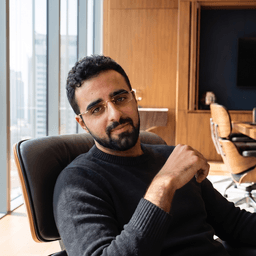
ميلاد مولوي هو مؤسس LEXAI، وهو دليل للمهنيين القانونيين في دولة الإمارات متاح بالعربية والإنجليزية. درس الأعمال الدولية في جامعة سالفورد. نشأت فكرة LEXAI من تجربته الشخصية في البحث عن مساعدة قانونية عام 2022. كان البحث عن «محامين بالقرب مني» يعرض له قوائم بأسماء محامين، لكنه واجه صعوبة في العثور على مؤهلات يمكن التحقق منها، وتقييمات يمكنه الوثوق بها، ونبذات مهنية مفصّلة تساعده على اختيار محامٍ بثقة. دفعته هذه التجربة إلى تأسيس LEXAI، بهدف تسهيل تقييم المهنيين القانونيين قبل التواصل معهم.